
Get Livestock Fence Repair in Monmouth County, NJ
Livestock fence repair services for Monmouth County property owners address broken or sagging fences, ensuring livestock safety and perimeter security through various repair and replacement projects.
Property owners in Monmouth County, NJ, who rely on livestock or have large outdoor animals understand the importance of a sturdy, well-maintained fence. When fencing becomes damaged or shows signs of wear, it can impact animal safety, property security, and overall land management. Exploring professional livestock fence repair services ensures that fencing remains reliable and effective, helping landowners protect their animals and maintain the integrity of their property.
For those considering fence repair projects, comparing local service providers can help identify experienced contractors equipped to handle various fencing needs. Whether the goal is to restore a damaged section or upgrade an existing setup, connecting with trusted local specialists offers practical solutions tailored to the specific requirements of Monmouth County properties. Keep reading to learn more about how skilled contractors can assist with livestock fence repairs.
- Wooden livestock fences - needed when existing fencing becomes damaged or weakened due to weather or age.
- Wire mesh enclosures - required to secure smaller animals or prevent predator intrusion on farms and rural properties.
- Electric fencing repairs - necessary when livestock are escaping or when fencing components are no longer functioning properly.
- Post replacement services - needed after posts have rotted, broken, or been displaced by storms or heavy use.
- Field fence restoration - essential to maintain boundary lines and keep livestock safely contained in open pasture areas.
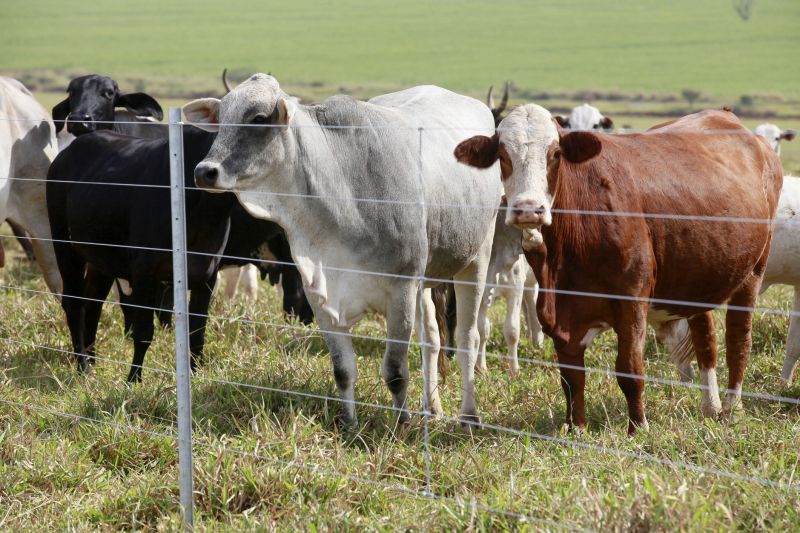
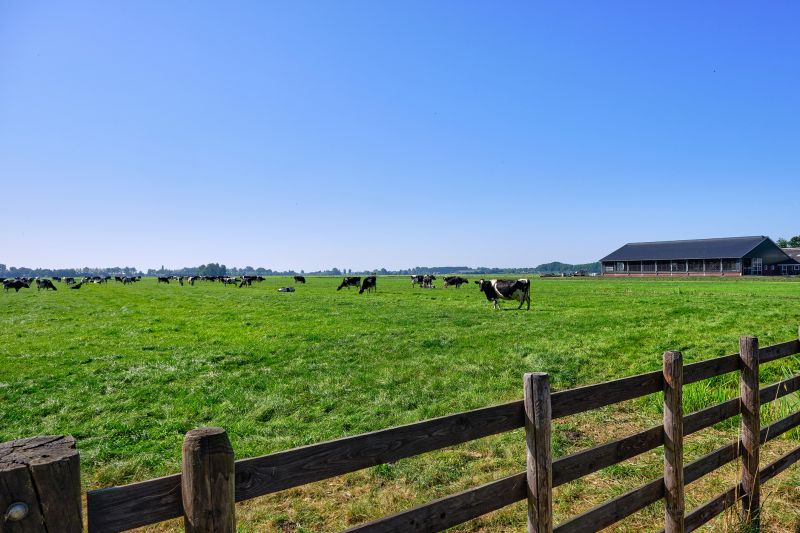
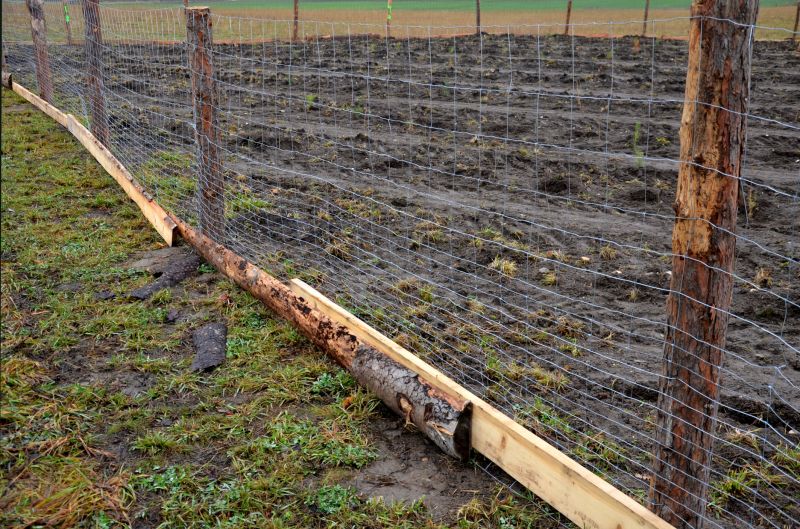
Livestock fence repair services involve fixing and restoring fences that are used to contain and manage farm animals, such as cattle, horses, sheep, or goats. These services typically address issues like broken or sagging fence panels, damaged posts, loose wires, or rusted components that no longer effectively keep animals secure. Repair work may include replacing broken sections, tightening loose wires, reinforcing posts, or applying protective coatings to prevent future deterioration. The goal is to ensure the fence remains sturdy and reliable, helping property owners maintain control over their livestock and prevent animals from wandering off or getting injured.
Many problems can make a livestock fence less effective or unsafe. Common issues include weather-related damage, such as wind or storms causing posts or wires to break, and animal-related wear, like chewing or pushing against the fence. Over time, age and exposure can cause materials to weaken, leading to sagging or rusted fencing. Additionally, accidental impacts from machinery or fallen trees can create holes or breakage. Repair services help resolve these problems quickly, restoring the fence’s integrity and functionality, which is essential for property owners who rely on fencing to keep their animals safe and contained.
Properties that typically use livestock fence repair services include farms, ranches, and rural properties with significant outdoor space. These properties often have large areas dedicated to grazing or livestock management, making durable fencing a necessity. Even smaller hobby farms or equestrian properties may require occasional repairs to maintain secure enclosures. In suburban or semi-rural areas around Monmouth County, NJ, property owners who keep animals or have open land for livestock will find these services useful for maintaining a safe environment. Repairing fences promptly can prevent animals from escaping and avoid costly damage or safety hazards.
When fences become damaged or compromised, livestock fence repair services from local contractors offer practical solutions to restore security and functionality. These services help property owners address specific fencing issues, whether caused by weather, animals, or accidents. By choosing experienced local providers, property owners can ensure that their fences are properly maintained and repaired, supporting the safe containment of livestock and protecting property investments. Regular maintenance and timely repairs can extend the life of fencing systems, making them a valuable part of managing rural or agricultural properties effectively.
The overview below groups typical Livestock Fence Repair projects into broad ranges so you can see how smaller, mid-sized, and larger jobs often compare in Monmouth County, NJ.
In many markets, a large share of routine jobs stays in the lower and middle ranges, while only a smaller percentage of projects moves into the highest bands when the work is more complex or site conditions are harder than average.
Smaller Repairs - Typical costs for routine fence repairs such as replacing a few broken posts or sections generally range from $250 to $600. Many minor jobs fall within this middle range, depending on the extent of damage and materials used.
Moderate Fixes - When more extensive repairs are needed, such as replacing multiple panels or sections, costs often range from $600 to $1,500. These projects are common for fences that have sustained moderate wear or damage over time.
Full Fence Replacement - Replacing an entire fence can cost between $2,000 and $5,000 or more, especially for larger or more complex installations. Many full replacements are at the higher end of this range, depending on fence size, material, and terrain.
Custom or Complex Projects - Larger, more intricate fence repairs or custom installations can exceed $5,000, though such projects are less common. Local contractors can provide estimates based on specific project scope and site conditions.
Actual totals will depend on details like access to the work area, the scope of the project, and the materials selected, so use these as general starting points rather than exact figures.
Garden Fence Installation - Local contractors skilled in installing various types of fences can handle garden fencing projects that require planning, precise measurements, and tool use similar to livestock fence repairs.
Animal Enclosure Construction - Building animal enclosures such as chicken coops or pet runs involves similar fencing techniques, planning, and material handling as livestock fence repairs.
Field Boundary Fencing - Setting up boundary fences for agricultural or property demarcation shares skills in planning, material selection, and installation with livestock fencing services.
Chain-Link Fence Replacement - Replacing or repairing chain-link fences involves similar use of tools and methods as livestock fence repairs, especially in securing durable, long-lasting enclosures.
Property Line Fencing - Installing or repairing fences along property lines requires precise planning and installation skills that are common with livestock fence repair projects.
Horse Fence Installation - Erecting fences designed for horses involves similar planning, material handling, and reinforcement techniques as livestock fencing services.
When comparing service providers for livestock fence repair, it’s important to consider their experience with similar projects. Homeowners should look for local contractors who have a proven track record of handling fencing repairs in settings comparable to their own, whether it involves large pasture enclosures or smaller livestock pens. An experienced professional will understand the specific needs of livestock fencing, such as the types of materials that hold up best over time and the common issues that arise, ensuring the repair work is both effective and durable.
Clear, written expectations are essential when evaluating potential service providers. Homeowners should seek contractors who can provide detailed descriptions of the scope of work, materials to be used, and any guarantees or warranties offered. Having this information in writing helps prevent misunderstandings and ensures that everyone is aligned on the project’s goals. It’s also beneficial to ask about the process they follow for repairs, including how they handle unexpected issues or adjustments, so expectations are transparent from the outset.
Reputable references and strong communication practices are key indicators of a reliable livestock fence repair service. Homeowners should inquire about past projects and request references from previous clients in the local area. Talking with those who have recently worked with the contractor can provide insights into their professionalism, timeliness, and quality of work. Additionally, a service provider’s ability to communicate clearly and promptly-whether through phone, email, or in-person discussions-can make the repair process smoother and more predictable. This approach helps ensure that the chosen contractor is responsive and attentive to the specific needs of the project.
Property owners in Monmouth County, NJ use Livestock Fence Repair services for practical projects around their homes and businesses. This guide focuses on everyday jobs and straightforward project options.
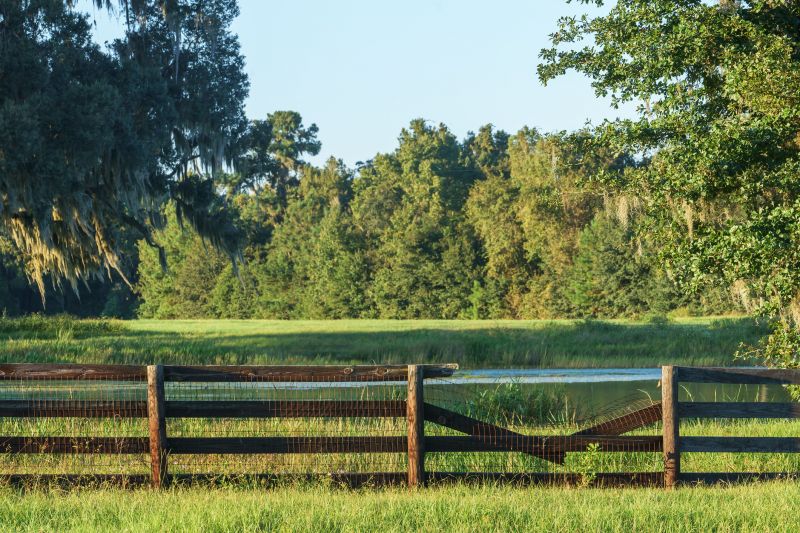
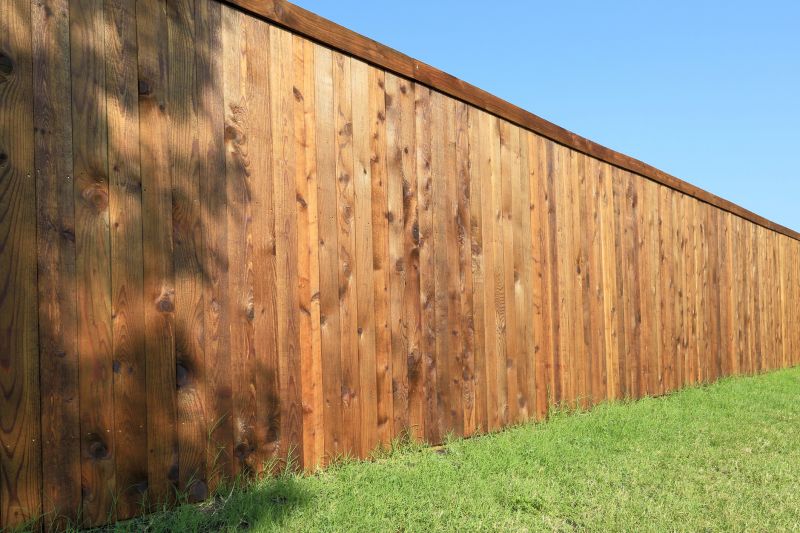
Livestock fence repair services are often needed when property owners in Monmouth County, NJ notice sections of their fencing have become damaged or weakened over time. This can happen due to harsh weather conditions, animals leaning or pushing against the fence, or general wear and tear from seasonal changes. Local contractors are experienced in handling these common issues, helping property owners restore the integrity of their fences to keep livestock safely contained and prevent unwanted animals from entering the property.
In addition, property owners might seek fence repair after incidents such as fallen or knocked-over sections caused by storms or accidental impacts. Whether a fence has been compromised by falling branches or animals trying to escape, local service providers can assess the damage and provide the necessary repairs. These professionals are familiar with the typical fencing setups in the area and can help ensure fences remain sturdy and functional for everyday needs.
What types of livestock fence repairs do local contractors handle? Local contractors can address a variety of repairs including broken or sagging fencing, damaged posts, and worn-out wire or panels to restore livestock containment.
How can I tell if my livestock fence needs repair? Signs like loose or sagging sections, visible damage, or animals escaping indicate that a fence may require professional repair services.
What materials are commonly used for livestock fence repairs? Local service providers often work with materials such as wood, wire mesh, electric fencing, and metal panels to suit different livestock needs.
Are there specific repair services for different types of livestock fences? Yes, experienced contractors can tailor repairs for fences designed for cattle, horses, sheep, or other livestock, ensuring proper containment and safety.
What should I consider when choosing a livestock fence repair service? It's important to select local contractors with experience in livestock fencing, who can assess the damage and recommend appropriate repair solutions.
Fence Repair for Livestock Enclosures - Local contractors can help restore damaged fencing to keep animals safely contained on farms or rural properties.
Installing Temporary Fencing Solutions - Service providers can set up temporary barriers for seasonal grazing or special events requiring livestock containment.
Reinforcing Existing Fences - Local pros can add extra support or replace worn sections to prevent animals from escaping or predators from entering.
Custom Fence Modifications - Contractors can modify fences to accommodate specific livestock needs, such as taller barriers or gates for easy access.
If you are thinking about Livestock Fence Repair for a property in Monmouth County, NJ, this guide is meant to help you understand the work, the typical project types, and how different options might fit your plans.
When you are ready, you can use the quote form on this page to share a few details about your project. From there, local pros can review the basics and respond with options that match what you have in mind.